


Selling a home is rarely just a financial transaction. In many cases, the decision to list a property stems from a major life event, often categorized by experts as the “3 D’s”: Diamonds, Divorce, and Death. Each of these situations brings unique legal requirements, tax implications, and emotional challenges that require more than just a standard listing approach. Whether you are upgrading for a new marriage, dividing assets during a separation, or managing an estate in probate, understanding the specific New Jersey regulations is the first step toward a successful sale.
How New Jersey Equitable Distribution Affects Divorce Sales?
New Jersey is an equitable distribution state, which means marital property is divided fairly but not always equally. When a couple decides to sell the marital home, the court looks at the length of the marriage and each person’s financial contribution. Selling the house often provides the “clean break” needed to distribute funds and allow both parties to move forward.
The process of selling residential property in New Jersey during a divorce requires a neutral approach to pricing and marketing. Both spouses must generally agree on the listing price and the final offer acceptance. If one party refuses to cooperate without a valid reason, the other spouse may seek sanctions in court to prevent the sale from collapsing. Working with a real estate sales company in New Jersey that understands these legal frictions helps keep the transaction on track.
Managing the Real Estate Implications of a Death in the Family
Selling a home after the passing of a loved one involves a court-supervised process known as probate. In New Jersey, the Surrogate’s Court in the county where the deceased lived must formally appoint an executor or administrator before the property can be sold. This person receives “Letters Testamentary,” which grants them the legal authority to sign documents on behalf of the estate.
One specific detail many New Jersey residents overlook is the state’s Transfer Inheritance Tax lien. This lien stays on the property for fifteen years after the date of death unless a tax waiver is recorded. If you try to sell the home without this waiver, the title company will likely hold a portion of your sale proceeds in escrow until the state releases the lien. A knowledgeable residential real estate agent in New Jersey will ensure these tax documents are handled early to avoid closing delays.
Why “Diamonds” and Upgrading Require Sharp Market Timing?
The “Diamonds” category refers to positive life changes, such as marriage or a growing family, that necessitate a larger home. In the current Northern New Jersey market, buyers are seeing a shift toward more balanced conditions with inventory growing by over 11% in early 2026. This means sellers must be more strategic with their timing to ensure they can sell their current home and buy the next one without a gap in housing.
For those looking to sell a home in New Jersey to upgrade, the spring market remains the busiest season. While prices continue to grow at a modest rate of about 2% to 5% annually, buyers are taking more time to conduct due diligence. You need a strategy that highlights your home’s best features while pricing it accurately to attract the right move-up buyer quickly.
What Makes a Move-Ready Home Valuable in Northern New Jersey?
In towns like Morristown and Denville, buyers often pay a premium for properties that require zero work. A “move-in ready” home typically features updated kitchens, neutral paint colors, and modern mechanical systems. Sellers who invest in minor repairs before listing often see faster sales and higher offers.
Preparing a home for sale is especially important during “3 D” transitions, where emotions are high. If the property is part of a divorce or an estate, a pre-listing inspection can identify issues before a buyer finds them. This prevents surprises from derailing the contract in the middle of the transaction. Taking the time to fix small problems shows buyers that the home has been well-maintained.
Navigating Local Real Estate Taxes and Closing Costs
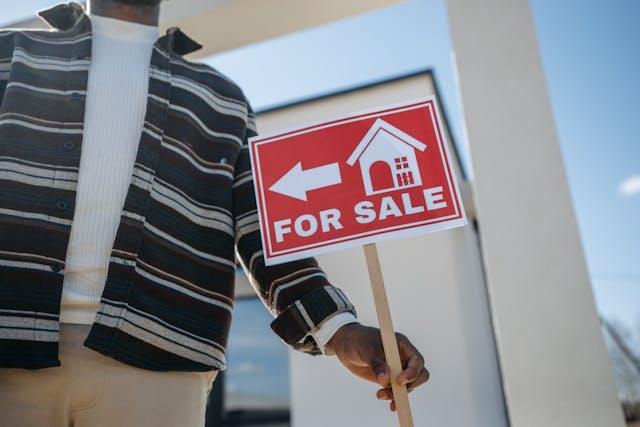
Selling property in New Jersey involves several state-specific costs, including the Realty Transfer Fee (RTF). This tax is paid by the seller at closing and is based on the total sale price of the home. Additionally, if the home was part of an inheritance, there may be capital gains taxes if the property value increased significantly between the date of death and the date of sale.
Closing costs for sellers in New Jersey typically range from 6% to 8% of the sale price. This total includes agent commissions, attorney fees, and the RTF. Understanding these numbers up front helps you calculate exactly how much profit you will walk away with after the sale. A local real estate agency in New Jersey can provide a net sheet to break down these expenses line by line.
The Importance of Professional Staging and Photography
High-quality visuals are essential for standing out in a market where inventory is slowly improving. Professional photography and staging help potential buyers visualize themselves living in the space. This is particularly useful for estate sales where the home might have older furniture or a specific “lived-in” feel that does not appeal to modern tastes.
Modern marketing strategies also include virtual tours and drone photography. These tools allow buyers to explore the home and the surrounding neighborhood from their computers. In competitive areas of Morris County, these digital assets often determine whether a buyer schedules a physical showing. Utilizing every available marketing tool ensures your property reaches the widest possible audience.
Why You Need a Specialized Real Estate Team?
Handling a sale during a major life transition requires more than just a sign in the yard. It requires an agent who can coordinate with divorce attorneys, probate courts, and tax professionals. A team with experience in these specific niches provides the neutral representation needed to keep all parties informed and satisfied.
Expert guidance is especially valuable when dealing with “home-rule” complexities and local municipal requirements. From obtaining certificates of occupancy to managing smoke detector inspections, a local expert handles the small details that can stop a closing. Their goal is to take the complexity out of the transaction so you can focus on your family and your next steps.
Frequently Asked Questions About Life-Event Sales
Can a Judge Force the Sale of a House in a New Jersey Divorce?
Yes, a judge can order the sale of a marital home if it is the only way to achieve an equitable distribution of assets. This often happens if neither spouse can afford to buy the other out or if they cannot agree on a different solution. The court prioritizes a fair outcome for both parties.
How Long Does It Take to Sell an Inherited Home in New Jersey?
The timeline depends on the probate process, which typically takes about a year in New Jersey. You must wait for the Surrogate’s Court to grant the executor authority to sell. Once the home is listed, well-priced properties in Northern New Jersey move efficiently, often in under 60 days.
Do I Have to Pay Taxes When I Sell My House in New Jersey?
Sellers are responsible for the Realty Transfer Fee at the time of the sale. You may also owe capital gains taxes if the home is not your primary residence or if the profit exceeds certain federal limits. It is always best to consult with a tax professional regarding your specific situation.
Expert Help for Your New Jersey Move
The Crawford Lorenzo Home Selling Team understands that every move starts with a story. Our experienced professionals provide the professional guidance and local expertise needed for selling residential property in New Jersey during any life stage. You can contact us today to discuss your specific needs and receive a confidential valuation of your property. We are here to ensure your next real estate transaction is a positive and successful experience for your business.