

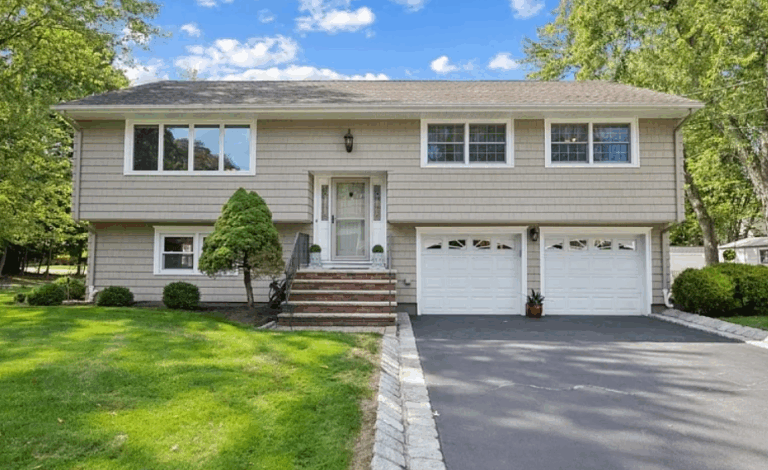
- Today’s New Jersey homebuyers are informed, selective, and quick to dismiss homes that feel overpriced or poorly presented.
- Sellers benefit from realistic pricing, transparent communication, strong presentation, and flexibility during negotiations.
- Local market insight helps sellers align their strategy with buyer expectations and improve outcomes from listing through closing.
The New Jersey real estate market has matured, and so have the buyers moving through it. Today’s homebuyers arrive informed, focused, and decisive, often with detailed knowledge of neighborhoods, pricing trends, and comparable sales before they ever schedule a showing. They know what they want, and they are quick to move on when a home does not meet their expectations.
For sellers, this shift has changed what it takes to sell successfully. Understanding how buyers think today, and adjusting strategy accordingly, plays a direct role in how quickly a home sells and how smoothly the transaction unfolds.
The Modern New Jersey Homebuyer Is Well Prepared
Today’s buyers rarely enter the market casually. Most spend significant time researching before stepping into a home. They study recent sales, track listing prices, and compare neighborhoods to understand what feels reasonable and what does not. Many also arrive with a clear budget or pre-approval, which sharpens their decision-making from the start.
This level of preparation means sellers are dealing with buyers who notice details quickly. Layout issues, outdated finishes, or pricing that does not align with recent sales tend to stand out immediately. Buyers ask informed questions and expect clear answers, leaving little room for uncertainty or vague explanations.
Buyers Expect Homes That Feel Ready to Live In
Across New Jersey, most buyers prefer homes that do not require immediate work. While some still seek renovation opportunities, the majority are drawn to properties that feel clean, functional, and well-maintained. Buyers want to picture themselves living in the space without first tackling a list of repairs.
Homes with neutral finishes, well-kept flooring, and updated kitchens or bathrooms tend to make stronger impressions. When a property feels unfinished or dated, buyers often calculate the cost and time involved and mentally adjust their offer, or move on entirely.
For sellers, this does not mean taking on major renovations. Addressing visible wear, completing minor repairs, and presenting a clean, orderly home often has more impact than larger upgrades rushed before listing. These steps help buyers focus on the home’s potential rather than its shortcomings.
Transparency Has Become a Buyer Expectation
Buyers today expect clear and consistent information from the moment they view a listing. With easy access to public records, listing histories, and pricing data, inconsistencies are easy to spot. When details feel incomplete or overly polished, buyers tend to assume something is being overlooked.
Clear disclosures, accurate room measurements, and straightforward listing descriptions build confidence early in the process. When sellers are open about known issues, buyers are more likely to trust the information presented and proceed with realistic expectations.
Working with a knowledgeable local agent helps sellers strike the right balance between honesty and presentation. Clear communication reduces surprises during inspections and keeps negotiations focused rather than defensive.
Pricing Must Reflect the Current Market
Pricing remains one of the fastest ways to lose buyer interest. Many buyers compare listings carefully and make quick judgments about value before deciding whether to schedule a showing. Homes that feel overpriced often get filtered out early, regardless of condition.
Today’s buyers tend to approach listings with less emotional attachment and more discipline. If pricing does not align with recent sales or similar homes, they are willing to walk away without hesitation.
Sellers benefit from pricing grounded in current data rather than past market highs or nearby asking prices. Homes that enter the market at a realistic price tend to attract attention early, which often leads to better offers and smoother negotiations.
Location and Lifestyle Play a Larger Role
Buyers are no longer focused solely on the home itself. Lifestyle considerations now carry significant weight in decision-making. Commute patterns, remote work flexibility, access to town centers, school districts, and nearby amenities all factor into how buyers evaluate a property.
Homes that connect clearly to everyday living tend to stand out. Buyers want to understand how the location fits their routines, whether that means proximity to transportation, outdoor spaces, or local shops.
Sellers can respond by highlighting features that support daily life, not just interior details. Describing how a home fits into its surroundings often helps buyers see its value more clearly.
Online Presentation Shapes First Impressions

For most buyers, the first showing happens online. Listing photos often determine whether a home makes it onto a buyer’s shortlist. Poor lighting, cluttered rooms, or unclear layouts can discourage interest before a buyer ever steps inside.
Clean, well-lit photos that show room flow and space help buyers understand the home quickly. Signs of clutter or neglect tend to raise concerns and shorten attention spans.
Preparing a home for photography is part of presenting it well. Decluttering, light staging, and professional photos help buyers imagine living in the space and encourage them to take the next step.
Flexibility Influences Deal Outcomes
Buyers today often evaluate more than just price. Terms such as closing timelines, repair requests, and appraisal-related adjustments play a role in whether a deal moves forward smoothly.
Sellers who approach negotiations without flexibility may lose otherwise strong offers. Buyers juggling financing and inspections often look for sellers who are willing to work through reasonable requests.
Understanding where flexibility is possible helps keep transactions moving. Experienced representation allows sellers to protect their interests while remaining practical, which often leads to fewer delays and stronger outcomes.
The Value of Local Market Insight
Buyer expectations vary widely across New Jersey. What resonates in one town may not apply in another. County-level trends, neighborhood demand, and pricing patterns all influence how buyers respond to a listing.
This is where local experience matters. Teams like Crawford Lorenzo Home Selling Team work directly with buyers and sellers throughout New Jersey and understand how expectations shift between markets. That insight helps sellers price appropriately, position their homes effectively, and anticipate buyer concerns before they become obstacles.
Local knowledge often shortens time on market and reduces friction during negotiations, simply by aligning strategy with reality.
Sellers Who Adjust Tend to See Better Results
Homes that sell well in today’s market often reflect thoughtful preparation rather than perfection. Sellers who pay attention to buyer behavior tend to focus on clear presentation, accurate pricing, and realistic expectations.
This approach does not promise instant results, but it creates momentum and confidence on both sides of the transaction. Buyers respond positively when a home feels well-positioned and fairly represented.
Final Thoughts
New Jersey homebuyers today are informed, selective, and quick to recognize value. Sellers who understand these expectations place themselves in a stronger position from the first showing through closing.
If selling is on the horizon, Crawford Lorenzo Home Selling Team helps sellers understand buyer expectations and position their home thoughtfully. Our team provides steady support from listing through closing. Reach out today!